Distinctive Coffee in Tokyo: What to Order and Where to Go
From a coffee-only shop open since 1948 to a 1960s tin-shed café where you pour your own cup, plus a tasting course you book ahead.
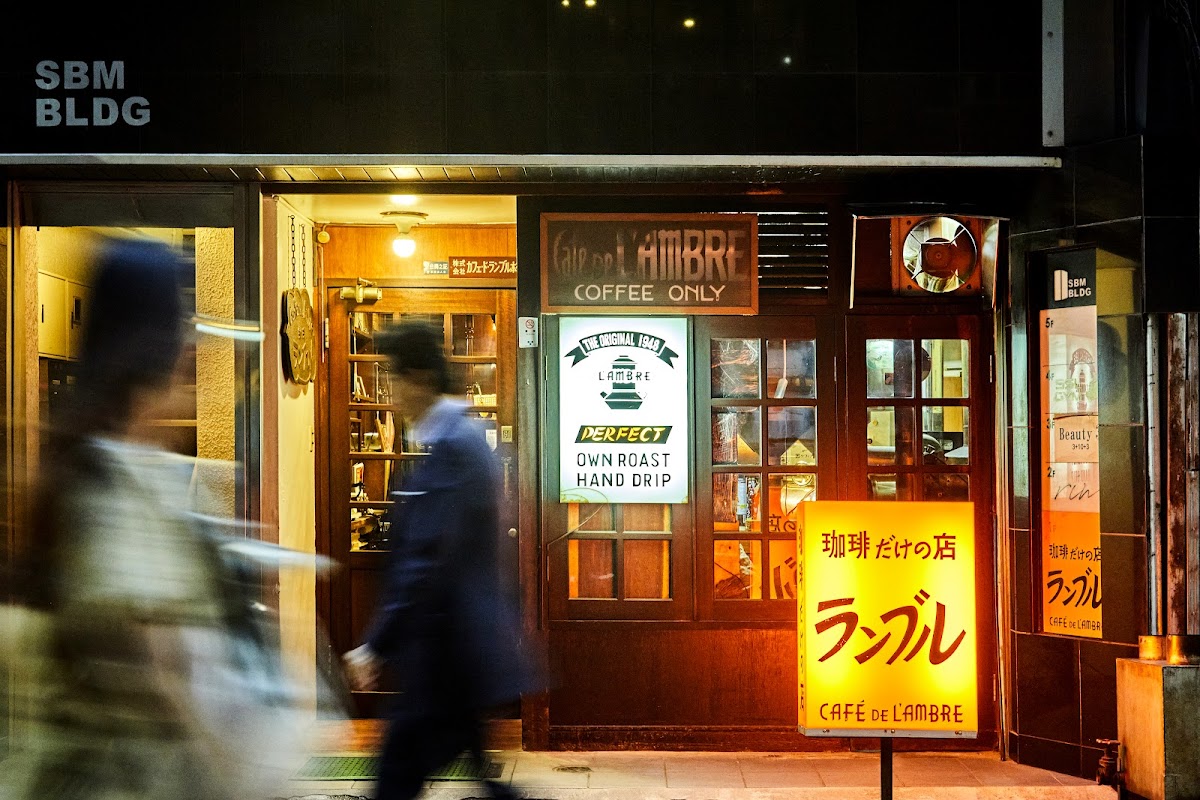
These eight Tokyo coffee shops are each picked for a different way of making the cup. If you only go to one, make it Café de l'Ambre in Ginza, a coffee-only shop open since 1948 that drips each cup through a cloth filter. For a date, Fuglen Tokyo serves coffee by day and cocktails at night. With friends, pour your own cup at Single O Ryogoku; if you are bringing work, Blue Bottle Kiyosumi-Shirakawa lists Wi-Fi and 47 seats.
A coffee-only shop open since 1948 that roasts its own beans and pours each cup through a hand-stitched cloth filter. Start with Blend No.6, served in a demi-tasse, a small coffee cup.
Vintage-aged coffee spot · Weekdays 11:00–20:00 (last order 19:00); Sundays and holidays 11:00–18:00 (last order 17:00); closed Mondays. · Blend No.2 / No.6 ¥1,000; ★ old-coffee straight, e.g. Papua New Guinea ¥1,300. Tax included.
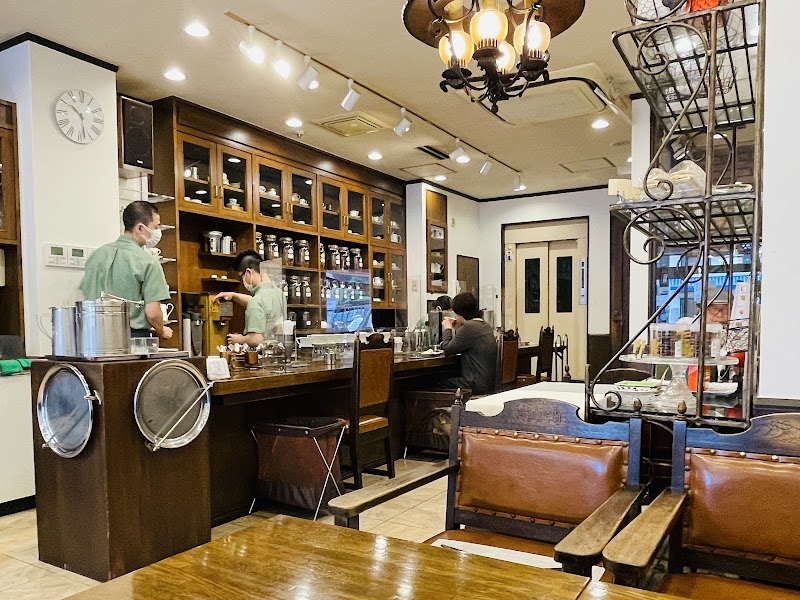
A Japanese coffee house that roasts its own beans. Staff pour each cup through a paper filter to order, so you choose from a menu of cups. Start with the house Bach Blend.
Self-roasting kissaten legend · 10:30–18:30 (last order 18:15); closed every Tuesday and the 2nd and 4th Wednesday. · Bach Blend ¥720 a cup, ¥1,280 a pot; Kenya AA ¥830; Einspänner ¥870. Tax included.
Lightly roasted coffee made from single-origin beans, meaning each one comes from a single place. Glitch has a changing selection of beans to choose from, and the barista will suggest a cup to suit you.
The first Fuglen outside Norway, set among vintage Norwegian furniture. By day it serves fruity Nordic Roast coffee and at night cocktails, so the same room works for a coffee date or an evening drink.
Nordic design coffee bar · Usual Saturday: 7:00 AM – 1:00 AM · ¥
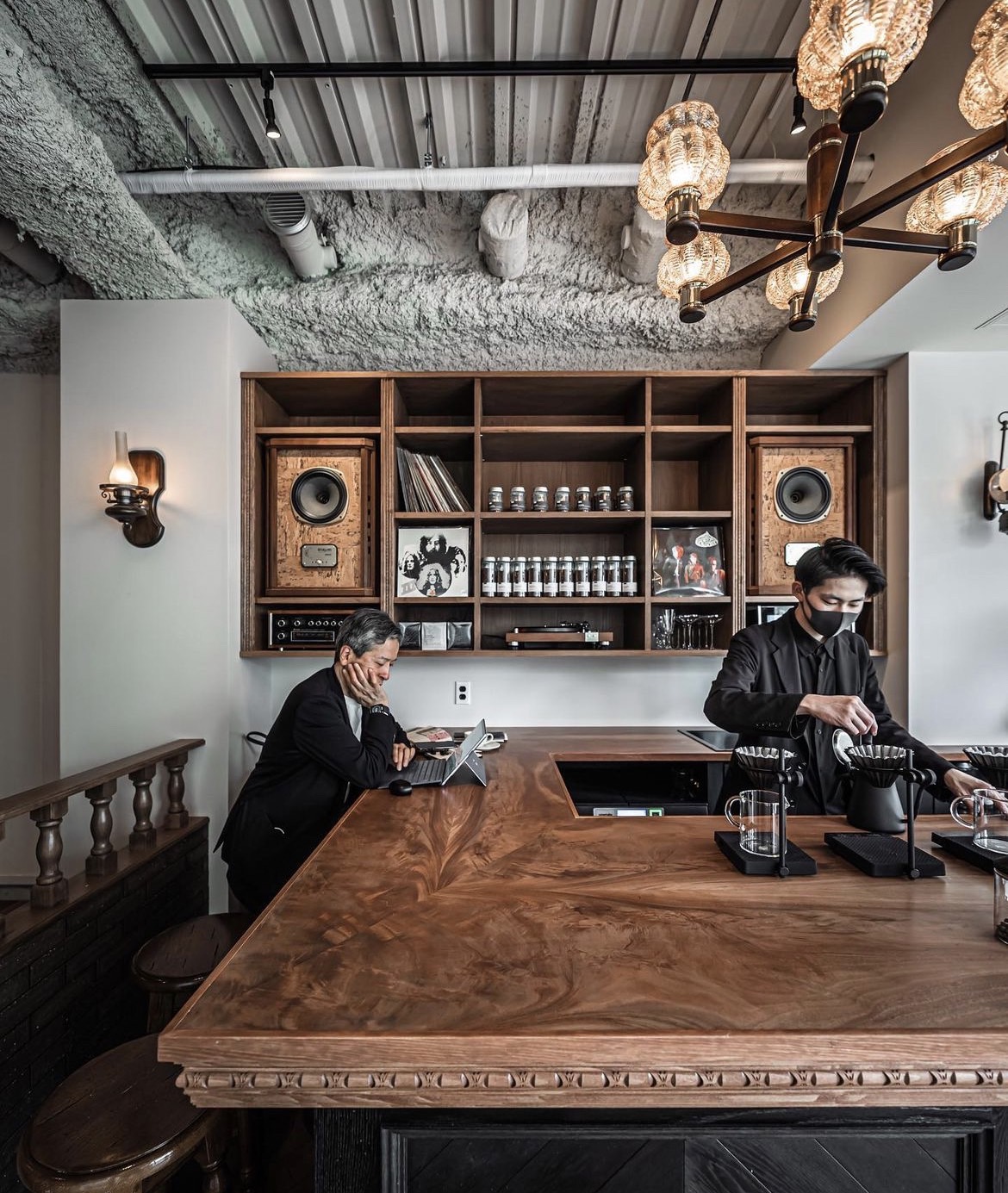
A coffee counter where you book a tasting course through TableCheck, an online booking service. When you book, pick a version: with or without a dessert and drink, or built around coffee cocktails.
Coffee omakase experience · Counter seatings of 1 hour 45 minutes, booked on TableCheck. · ¥¥
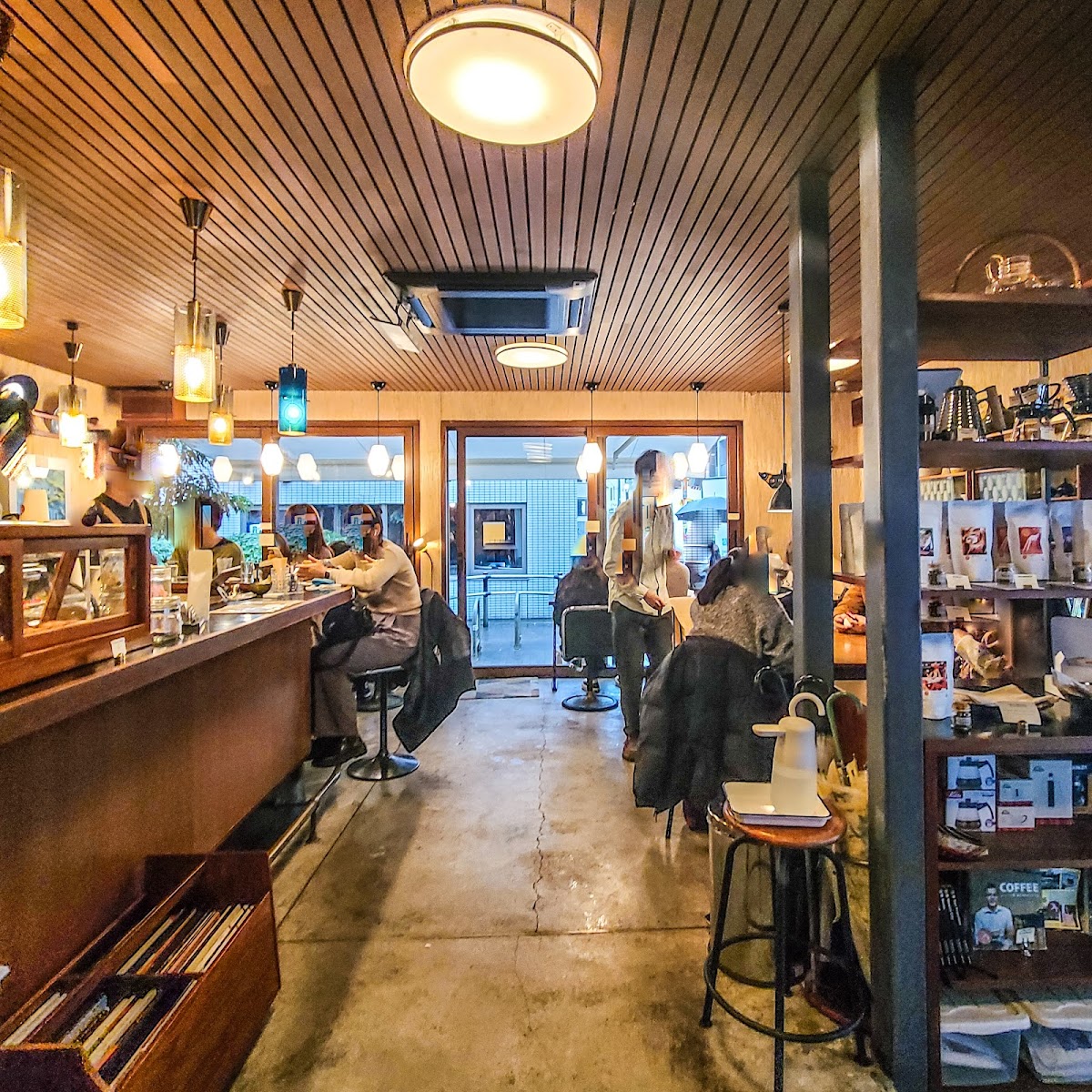
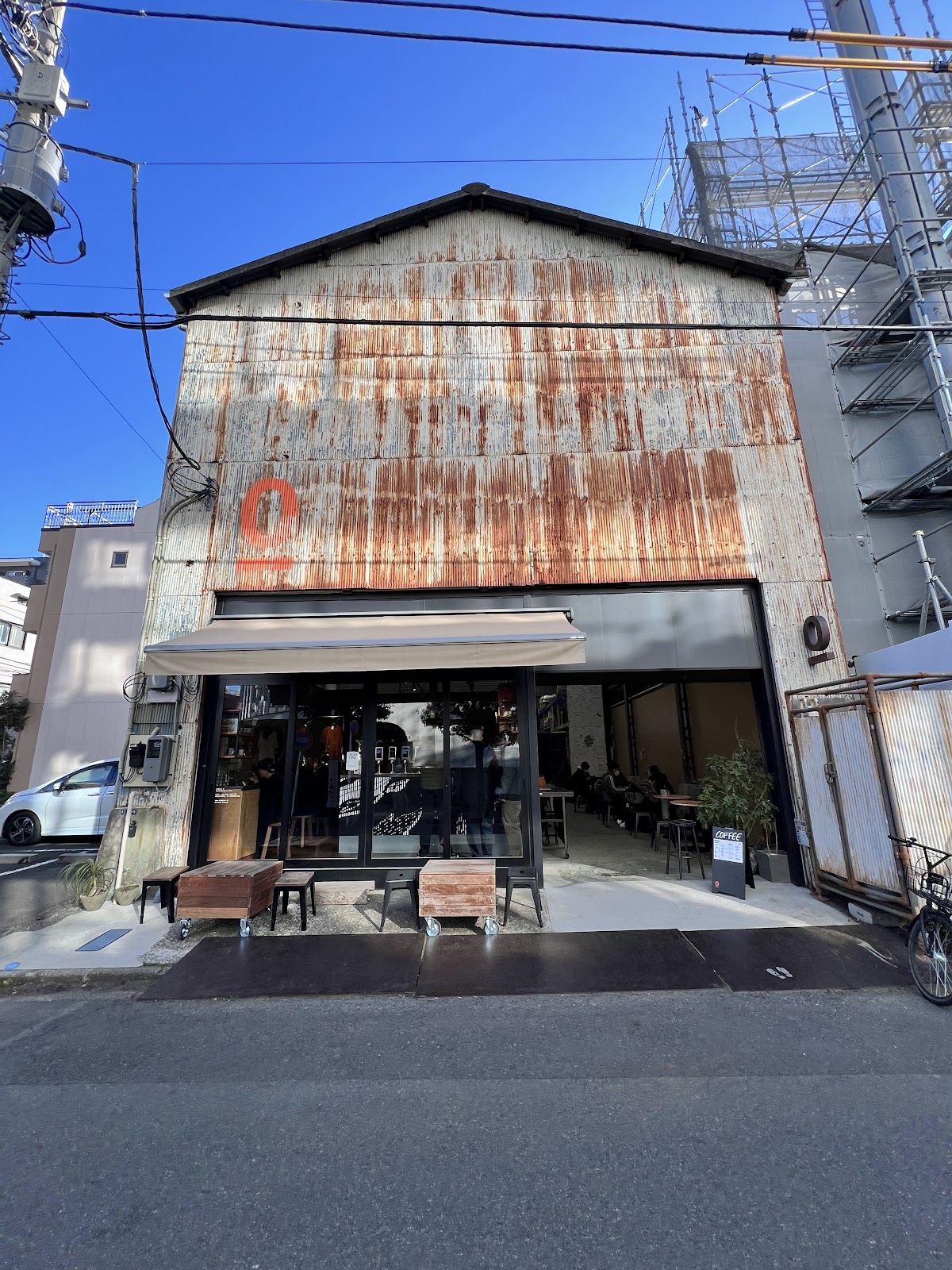
A coffee roastery and café in a 1960s tin shed, where you pour your own coffee from self-serve taps and the beans on tap change. Try the banana bread with espresso butter; the café itself suggests bringing one or two friends.
1960s tin-shed café-roastery · Café Wednesday–Sunday 10:00–18:00; public roastery tours on Saturdays. · ¥¥
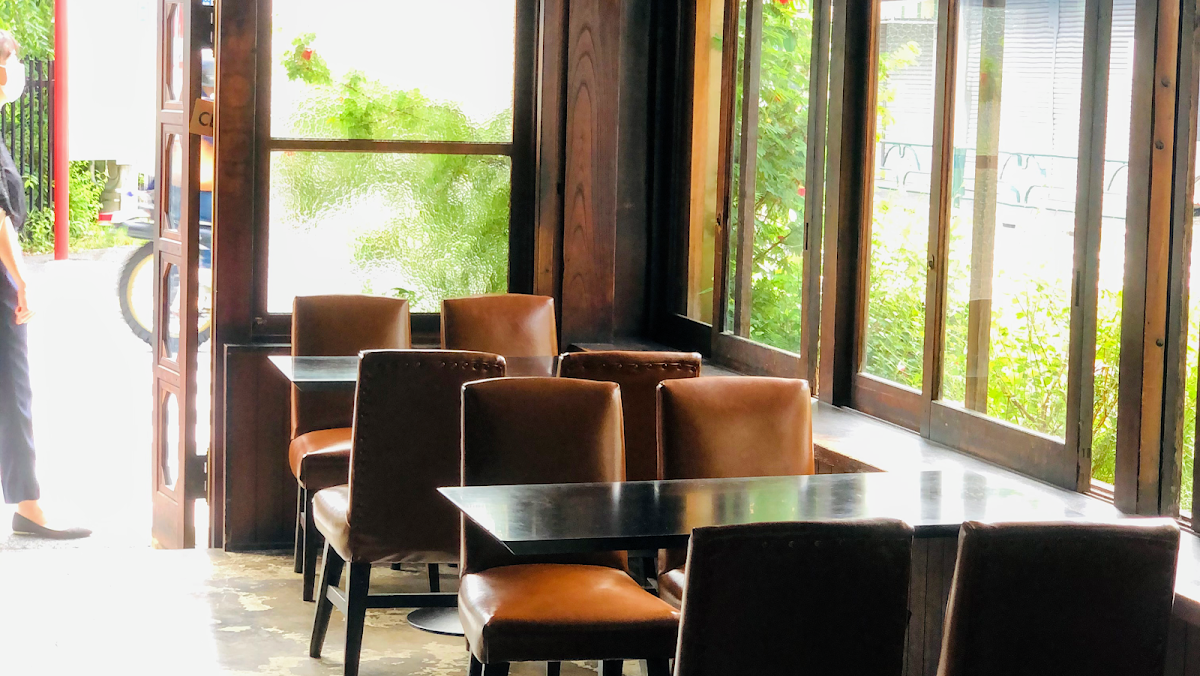
A townhouse built around 1916, brought back by supporters from in and around the area after it closed in 2006. Order the egg sandwich and a "Russian", coffee with cocoa. Book on Toreta, an online booking service, up to 23:59 the day before.
Kakeru takes bookings on TableCheck, an online booking service. Kayaba books through Toreta, another online booking service, up to 23:59 the day before.
Where can I try a Japanese coffee house?
Cafe Bach is the Japanese coffee house here: it roasts its own beans and pours each cup through a paper filter to order. If you would rather try a cloth filter, Café de l'Ambre (open since 1948) brews that way.
What should I order?
Order a blend where there is one: Blend No.6 at Café de l'Ambre and the Bach Blend at Cafe Bach. At Kayaba, have the egg sandwich and a "Russian", coffee with cocoa. At Single O Ryogoku, try the banana bread with espresso butter.
Where can I get coffee and cocktails in one place?
Fuglen Tokyo serves coffee by day and cocktails at night in the same room. Kakeru's tasting course also has a version built around coffee cocktails.
Before you go
Book ahead for Kakeru (TableCheck) and Kayaba (Toreta).
Several of these shops close on fixed days each week, so check each place's details before you set out.
Not sure where to start? Try Café de l'Ambre for a cloth-filter cup, Cafe Bach for a Japanese coffee house, or Single O Ryogoku with friends.